


Wet and Dry Vacuums
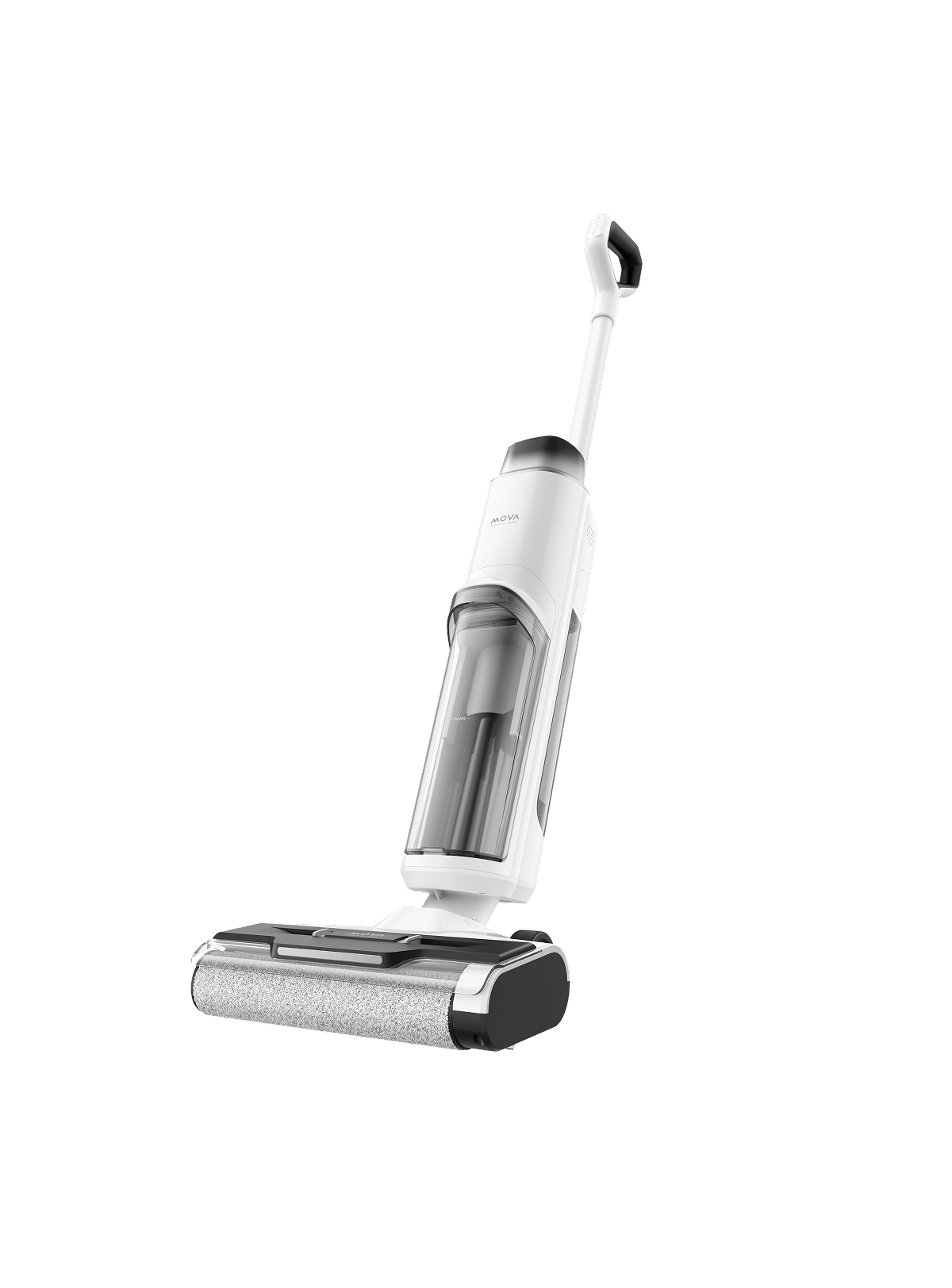
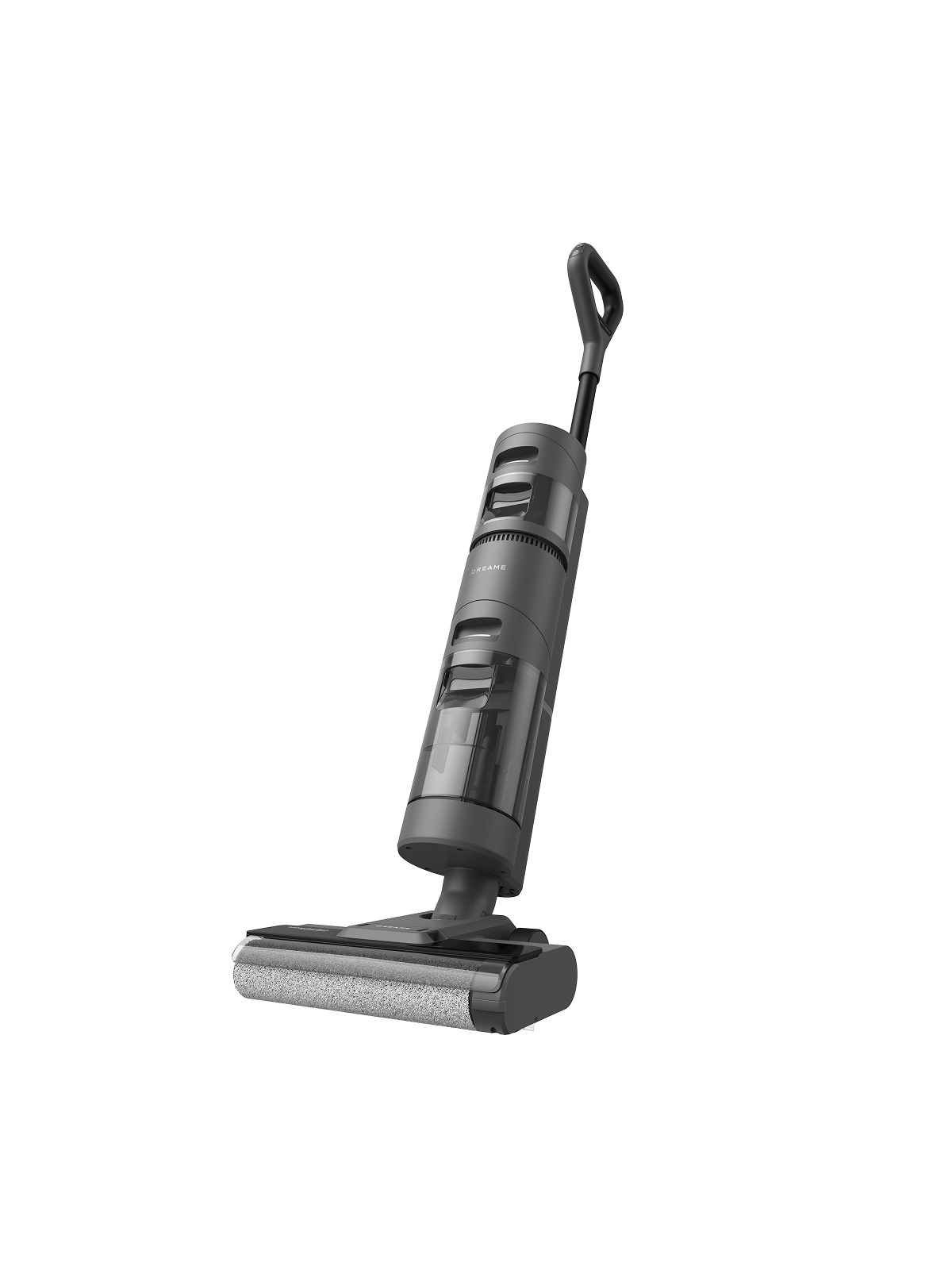
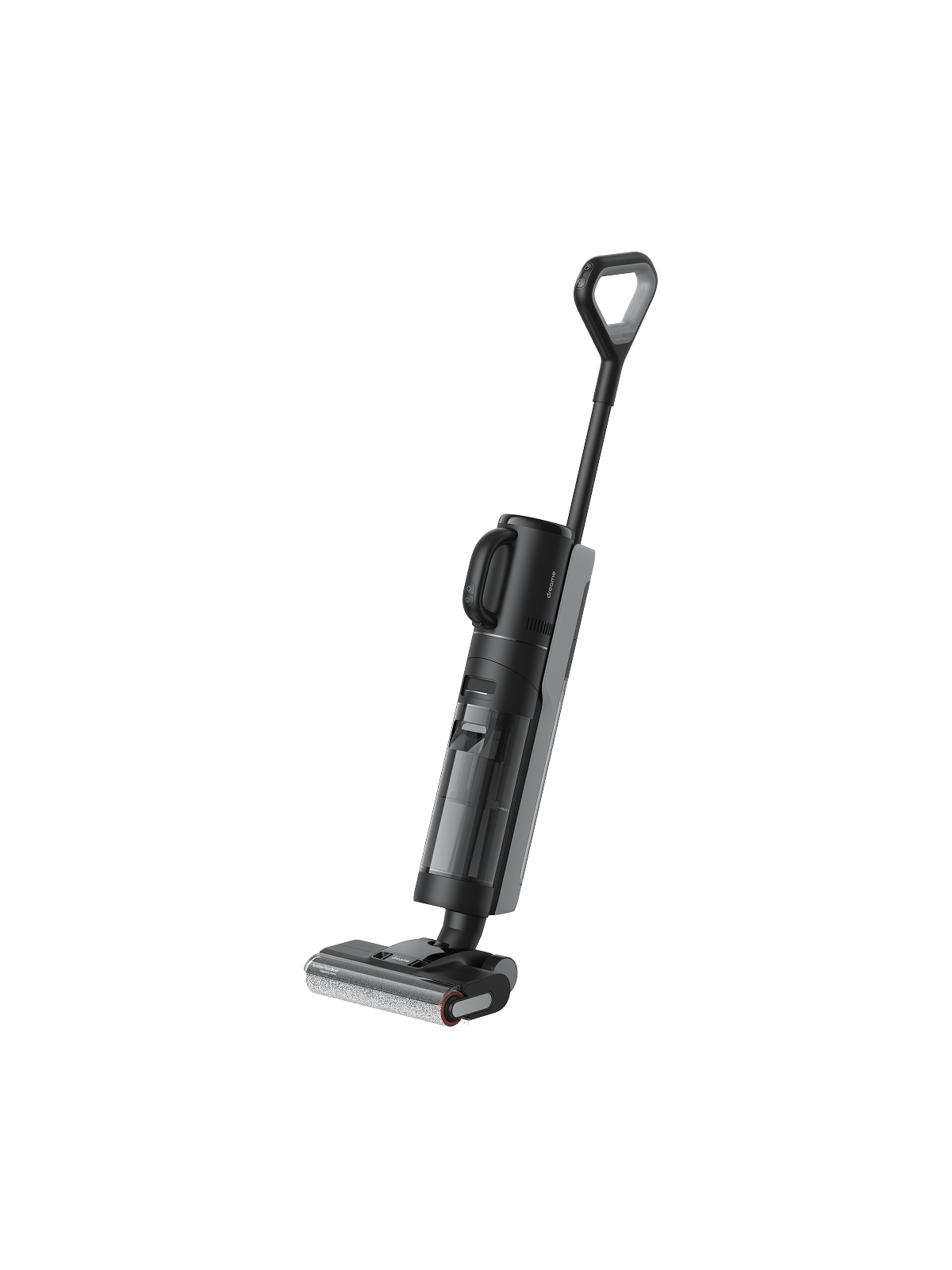
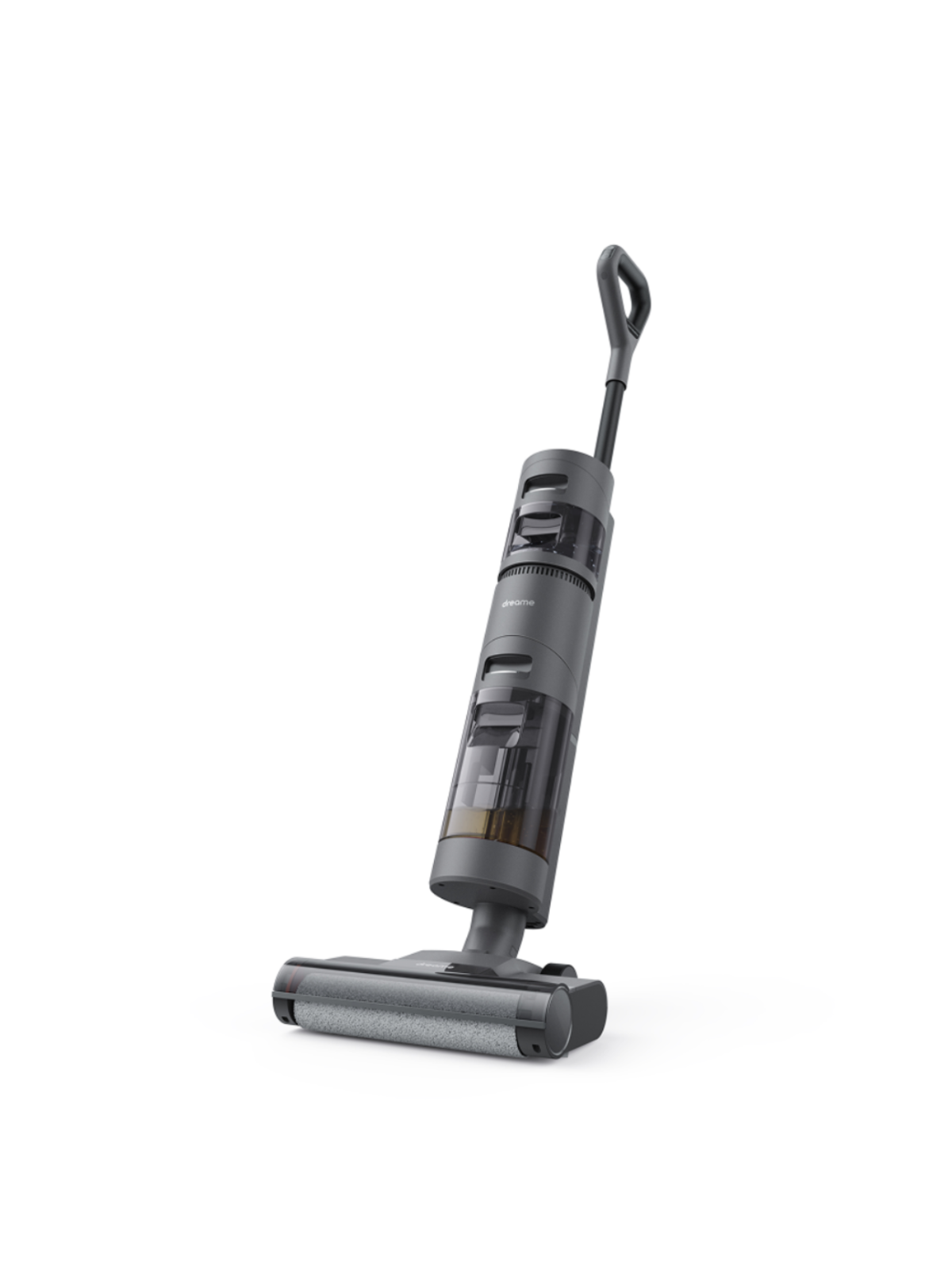
Frequently Asked Qustions
Find answers to common questions about our range of wet dry vacuums.
Can a wet and dry vacuum cleaner replace my regular vacuum and mop?
For day-to-day resets, yes. Dry mode handles dust, crumbs, pet hair, and light debris; wet mode lifts spills and damp dirt so you don’t need a separate mop for every accident.
What can’t I pick up with a wet and dry vacuum cleaner?
Avoid hot ash, solvents, paints, glass shards, and sticky oils unless the manufacturer explicitly supports them.
Is a wet and dry vacuum cleaner for home hard to maintain?
Not at all, because of the self-cleaning & drying mechanism. Most parts are tool-free to remove, so maintenance takes just a few minutes.
Which size should I buy: compact or large?
Apartments and routine kitchen/entryway resets are perfect for compact models. If you have pets, or clean cars and balconies often, a larger wet dry vacuum with a bigger tank capacity is worth it.
Will a wet dry vacuum cleaner damage wooden floors?
Used correctly, no. In dry mode, choose the right brush for rugs; in wet mode, use minimal water and the squeegee head for wood or laminate. Always let surfaces dry fully before heavy foot traffic.
The Complete Guide to Choosing a Wet and Dry Vacuum Cleaner
Busy homes don't just collect dust — they see spills, damp footprints, pet accidents, and debris. A wet and dry vacuum cleaner tackles all of it in one go, so you're not switching between a broom and a bucket. If you're eyeing a wet and dry vacuum cleaner for home, this guide breaks down how they work, what to compare, and how to get the best everyday results.
How a wet and dry vacuum cleaner works
At its core, a wet and dry vacuum cleaner uses a robust motor, a sealed airflow path, and a separated collection system so that dust and liquids can be handled in the same machine. A float valve prevents overfilling during liquid pickup, while interchangeable vacuum modules let you shift from dry crumbs to wet spills within seconds. If you prefer an all-in-one solution, a compact wet dry vacuum cleaner gives you that power without the bulk.
Everyday benefits you'll actually feel
When you bring home a wet and dry vacuum cleaner, routine cleaning becomes simpler and a lot faster. Food spills in the kitchen? Mop water sloshed over? Pet bowl splash zones? One machine handles them all. For families, a wet dry vacuum means fewer tools to store and less weekend catch-up cleaning.
| One tool, any mess | Crumbs, hair, dust, liquid spills — switch tasks without breaking stride, with powerful suction throughout. |
| Faster resets | Spills and stickiness don't require a separate mop-and-bucket routine — clean up and move on in seconds. |
| Better hygiene | Liquids are contained and disposed of tidily. Highly efficient filters help with fine dust during dry runs. |
| Pet-proofing | Rapid pickup around water bowls and litter zones prevents stains and odors from setting in. |
| Easy maintenance | Extremely easy to clean and maintain thanks to self-cleaning functionality built into the machine. |
Features that matter when comparing models
Choosing the right wet and dry vacuum cleaner is about matching specs to your floors and lifestyle. Here's what to weigh seriously:
| Motor power & airflow | Look beyond watts — airflow (L/s) and sealed suction (kPa) tell you how well the machine lifts heavier debris and water. |
| 180° flat cleaning | Allows cleaning underneath furniture and hard-to-reach corners that standard vacuums can't access. |
| High-tech dock | A charging dock that handles cleaning and drying after every use makes daily maintenance effortless. |
| Multiple modes | 2-in-1 functionality lets you use it as a handheld vacuum as well — covering more surfaces with one machine. |
| Maintenance access | Tool-free filter swaps and quick-rinse tanks make post-cleaning cleanup painless and quick. |
| Water spill mode | Suction-only mode makes picking up liquid spills straightforward — no special setup needed. |
Types and who they suit best
There's no single "best" wet and dry vacuum cleaner — only the best match for your mix of floors and messes:
| Compact & apartment-friendly | Light, quiet, easy to store. Perfect if your wet and dry vacuum cleaner for home lives in a utility closet and handles daily resets in kitchens, balconies, and bedrooms. |
| Mid-size all-rounder | Balanced tank size and power. Great for families, pet owners, and weekend car cleaning with a portable footprint. |
| Heavy-duty | Bigger tanks, rugged wheels, and higher suction for renovation dust, garden paths, garages, and large balconies. |
How to choose the right model
Before you click "buy" on a wet and dry vacuum cleaner, run through this quick practical checklist:
| Multiple modes | Automatic mode lets you wash and vacuum at the same time — especially useful for kitchens. Suction-only mode handles bathroom liquids cleanly. |
| Floor mix | What percentage is tile/stone vs. rugs? Hard floors benefit from squeegee heads; rugs need stronger airflow and an anti-tangle brush. |
| Mess profile | Kids, pets, hobby work? Prioritize tank size and accessory variety if spills and DIY dust are a frequent reality. |
| Storage & mobility | Measure the space you'll store it in. Check the weight and wheel design if you'll move between rooms or floors regularly. |
Set up and smarter everyday use
A good wet and dry vacuum cleaner is only as effective as the way you use it. These tips keep cleaning efficient and stress-free:
| Dry first, wet second | For muddy footprints or cereal-in-milk spills, do a quick dry pickup around the area first, then switch to wet mode with the squeegee head. |
| Mind the float valve | When suction slows during wet mode, your float valve is likely engaged. Pause and empty the tank to protect the motor. |
| Zone your routine | Kitchens and entryways deserve daily or every-other-day passes; living rooms can be on a 2–3 day cadence. |
| Go vertical | Use the crevice tool for door tracks and window rails; upholstery heads refresh sofas and car seats quickly. |
Maintenance made easy
Keeping your wet and dry vacuum cleaner in shape doesn't take much:
| After wet pickup | Empty the tank immediately, rinse it, and leave it open to air-dry. Wipe the squeegee edge so it seals properly next time. |
| Filter care | Knock out dust after dry runs and replace filters as recommended to maintain airflow and hygiene. |
| Brushes & wheels | Remove hair wraps and grit from rolling parts so they stay smooth — this also keeps operating noise down. |
| Annual refresh | Budget for a consumables kit — filters and roller brush. Kits for compact wet dry cleaners are inexpensive and quick to install. |
Cost and what to expect long-term
What you're truly buying isn't just "deep clean" potential — it's a reliable everyday reset that keeps floors guest-ready and sticky-mess-free without juggling multiple tools.
| Entry-level | Excellent utility for studio apartments and small households. Handles daily resets quickly and reliably. |
| Mid-range | Better airflow, sturdier casters, and more thoughtful accessories. The right tier for most active Indian households. |
| Premium | Noise control, higher durability, and faster liquid pickup. For households that want simplicity and speed — a practical, future-proof choice that pays back in time saved every week. |